My loan officer called me three times after I requested the biweekly payment form. "Are you sure?" she asked. "It's more complicated. You have to remember to pay every two weeks. Most people prefer monthly." She was lying. It wasn't more complicated. And she wasn't worried about my convenience. She was worried about her interest income.
I'm Marcus Thompson. Yes, the budget guy from budgetcalctool.org, but this is a different story. I run loancalctool.org from Denver, Colorado, where the mortgages are large and the lenders are sneaky. I built this site because I discovered a simple trick that saves tens of thousands of dollars — and the people who profit from your debt don't want you to know about it.
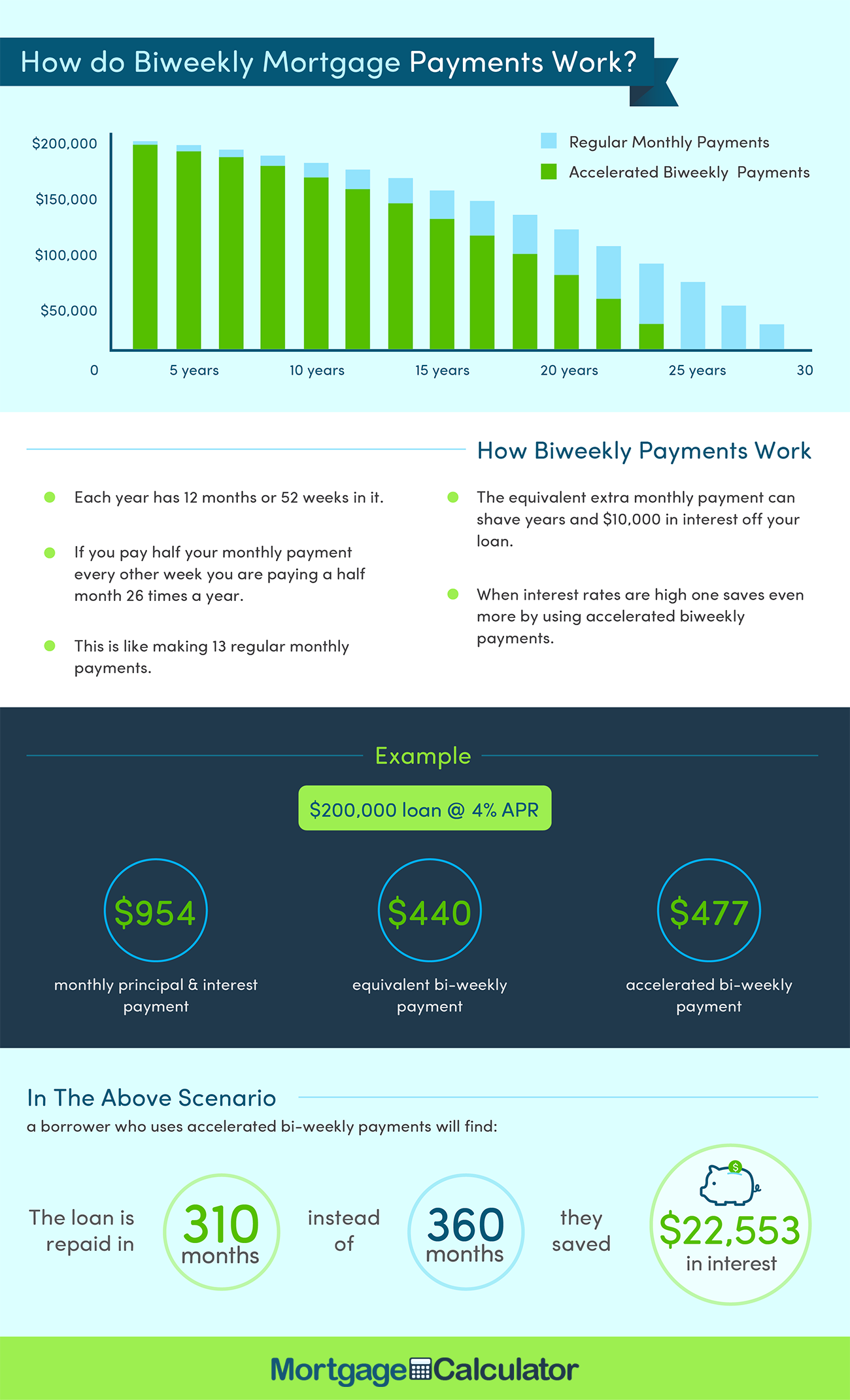
The trick is simple: instead of paying your mortgage once a month, pay half the amount every two weeks. There are 52 weeks in a year, so 26 half-payments equals 13 full payments. That's one extra payment per year, applied directly to your principal. No extra money out of pocket. No change to your budget. Just a different schedule. And the impact is enormous.
My mortgage was $320,000 at 7.2% for 30 years. My monthly payment was $2,173. Over the life of the loan, I would pay $462,000 total — $320,000 in principal and $142,000 in interest. That's right: I was going to pay more in interest than I borrowed. The American dream, apparently, comes with a 44% surcharge.
With biweekly payments, my half-payment was $1,086 every two weeks. Same annual total, but structured differently. The extra payment per year reduced my principal faster, which meant less interest compounded on the remaining balance. The result: I would pay off the loan in 26 years instead of 30. I would save $47,000 in interest. And I would own my home free and clear four years sooner.
My lender's resistance was immediate and transparent. They offered to set up biweekly payments "for a $300 enrollment fee." I declined and set up automatic transfers from my bank account every two weeks, paying directly to principal. They offered a "convenient" monthly autopay with "no fees." I declined again. They sent me a letter warning that "unscheduled payments may not be applied correctly." I called and confirmed that any payment above the minimum would be applied to principal. They stopped calling.
The 2026 mortgage market is particularly hostile to this strategy. Lenders make money from interest. The longer you pay, the more they earn. A 30-year loan at 7.2% generates $142,000 in interest. A 26-year loan generates $95,000. That's $47,000 less profit for the lender. And they know it. That's why they push 30-year terms. That's why they discourage early payments. That's why they charge fees for "convenience" services that don't actually help you.
Some lenders have gotten even sneakier. They offer "biweekly payment programs" that charge a setup fee and a monthly maintenance fee. They hold your half-payments in a suspense account until the full monthly amount is received, which means you're not actually getting the benefit of early principal reduction. You're just paying them to hold your money. It's a scam dressed up as a service.
The correct way to do biweekly payments is simple: set up automatic transfers from your checking account every two weeks. Pay half your monthly amount. Specify that the extra payment should be applied to principal. Confirm with your lender that they accept partial payments and apply them correctly. Most do. The ones that don't are the ones you should refinance away from.
I built the tools on this site because I needed them. The biweekly payment calculator shows the exact savings for your loan amount and rate. The interest savings projector reveals the long-term impact. The lender fee detector helps you spot the scams that masquerade as services. These tools don't require you to be a financial wizard. They just require you to care about $47,000.
If you have a mortgage, do the math. Call your lender. Ask about biweekly payments. If they charge a fee, do it yourself. If they discourage you, ask why. The answer will tell you everything you need to know about whose side they're on.
How much interest are you paying for the convenience of monthly payments?
